Professional Electrical Contractor for Reliable Setups and Repairs
Across the arena of electrical work, a seasoned contractor plays a fundamental role in ensuring both secure installations and repairs. Their expertise not only guarantees commitment to safety standards but also fosters a sense of assurance with clients. By evaluating paramount qualities, such as experience and communication skills, one can identify the right professional for the job. Understanding these factors can greatly impact the success of any electrical project, prompting further analysis into the selection process.
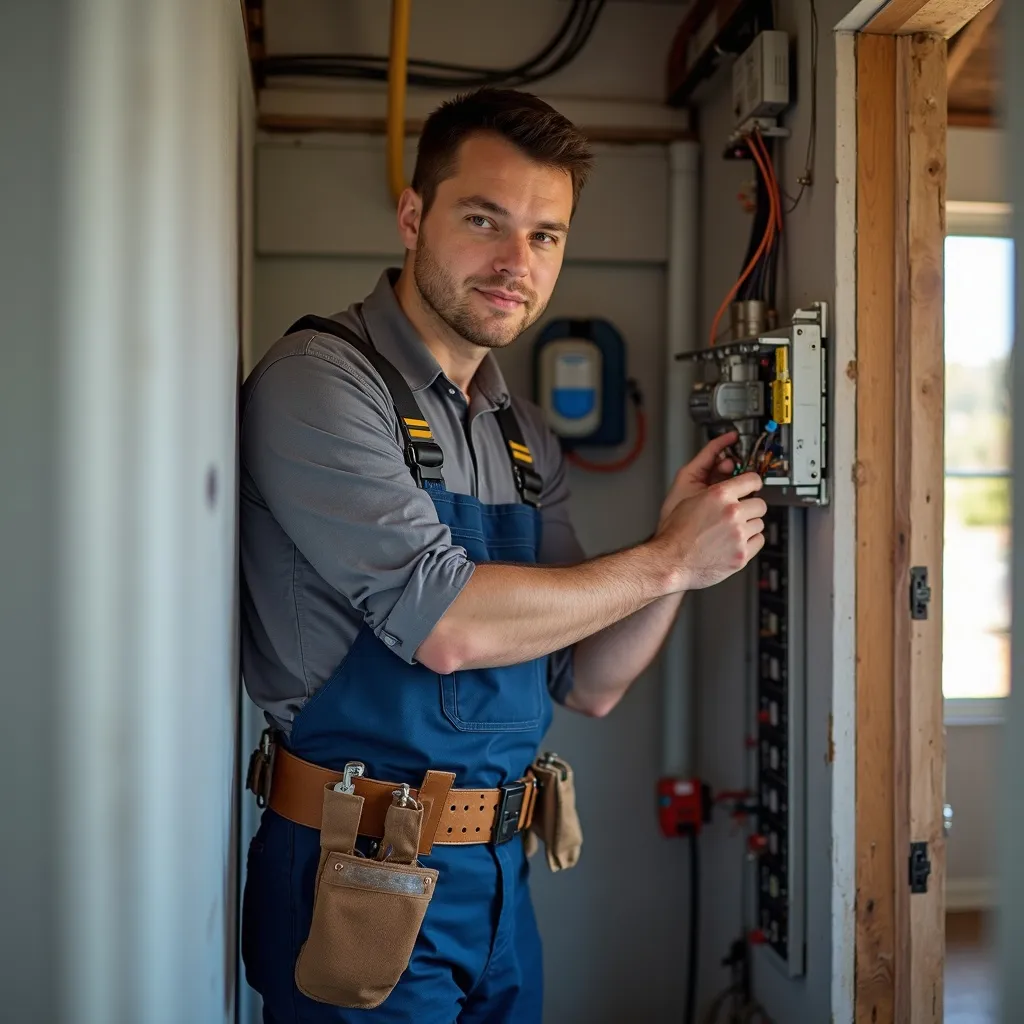
Essential Characteristics of a Trustworthy Electrical Contractor
When assessing an electrician, it is important to determine the critical qualities that promote trustworthiness. A dependable contractor must exhibit valid credentials and protection, ensuring adherence to local regulations and defense against potential liabilities. Experience in the industry is another vital factor; seasoned contractors are more competent in addressing various electrical issues and understanding complex systems.
Additionally, strong interpersonal talents are critical, allowing contractors to walk through procedures and respond to customer issues distinctly. A dependable contractor also demonstrates ethical standards, supplying transparent pricing information and preventing undisclosed charges. Moreover, excellent reviews and references from previous customers can operate as signs of dependability and superior service. Finally, a commitment to lifelong learning indicates a contractor's dedication on staying aware of current best practices and emerging technologies, which is necessary for providing secure and proficient electrical services. These qualities collectively form the foundation of a trustworthy electrical contractor.
What ways to check if Your Electrician Is competent?
Assessing an electrician's background is a vital step in maintaining standards and safety in electrical installations. To start, homeowners must inquire about the electrical expert's credential, which confirms they meet local and national requirements. Checking insurance is similarly essential, as it protects property owners from accountability should incidents happen. In addition, pursuing certifications from recognized organizations may suggest specialized knowledge and competence.
Property owners can also ask about the electrical contractor's expertise in specific kinds of electrical work pertaining to their needs. Reading client feedback and testimonials from previous clients offers understanding into the electrical professional's dependability and expertise. Additionally, direct communication can demonstrate the electrician's ability to discuss their credentials and methodology to the job. By taking these steps, property owners can ensure they hire a skilled electrical professional capable of delivering safe and effective electrical solutions.
Why Gaining Skill Is Crucial for Electrical Contractors
Experience plays a vital role in the effectiveness of electrical contractors. A proven skill set, compliance with safety compliance standards, and robust problem-solving skills are all hallmarks of seasoned professionals. These qualities not only enhance the work quality but also provide a protected environment for clients.
Tested Skill Set
An skilled electrical technician contributes considerable expertise that substantially impacts the safety and caliber of electrical undertakings. Their proven skill set encompasses an extensive spectrum of competencies, including troubleshooting, assembly, and servicing of electrical systems. Proficiency allows them to quickly identify complications in a timely manner and execute effective remedies, curtailing interruptions and upholding maximum performance. Moreover, mature contractors are familiar with the latest technologies and cutting-edge developments, facilitating them to furnish state-of-the-art remedies tailored to specific client needs. Their hands-on experience also supplies them with the practical knowledge necessary to navigate complex electrical codes and regulations. At the end of the day, a experienced electrical professional enhances the steadiness of repairs and installations, cementing assurance and faith among end-users.
Safety Adherence Standards
Understanding the intricate domain of safety compliance standards demands a deep understanding and practical knowledge that only experienced electrical contractors possess. These specialists are well-versed in local, state, and national regulations, ensuring that all installations and repairs adhere to the highest safety protocols. Their expertise allows them to recognize potential hazards and implement preventative measures effectively. Moreover, knowledge of industry standards, such as the National Electrical Code (NEC), is vital for maintaining compliance and safeguarding lives. A competent electrical contractor not only emphasizes safety but also performs thorough inspections to identify any discrepancies. This dedication to compliance not only decreases risks but also improves the longevity and reliability of electrical systems, ultimately benefiting clients and the broader community.
Analytical Issue Resolution Skills
Maneuvering complicated electrical issues demands sharp problem-solving ability, which seasoned electrical contractors bring to the table. Their extensive experience equips them with the ability to diagnose read now problems quickly and implement efficient solutions, minimizing downtime and ensuring safety. Unlike less experienced contractors, they have encountered a broad array of scenarios, allowing them to anticipate potential challenges before they arise. This foresight translates into streamlined project execution and reduced costs for clients. Additionally, their familiarity with different systems and technologies enables them to adapt to changing industry standards effectively. Ultimately, the problem-solving capabilities of trained electrical contractors not only enhance the quality of installations and repairs but also foster trust and reliability in their services. Experience is, indeed, an invaluable advantage in this field.
Why Transparent Cost Is Important
Why is open pricing important in the electrical contracting industry? Transparent pricing creates trust between contractors and clients, providing clarity in financial expectations. When clients receive thorough breakdowns that list labor, materials, and possible extra costs, they can decide wisely without the concern of surprise fees. This transparency promotes a positive working relationship and supports repeat business.
Additionally, open pricing allows customers to assess services effectively, permitting them to pick professionals who deliver reasonable and honest rates. It decreases misunderstandings and disagreements, streamlining the project timeline. A reputable electrical contractor who embraces transparent pricing demonstrates competence and accountability, reinforcing their pledge to quality service. Ultimately, honesty in rates not only enhances customer contentment but also lends to a contractor's reputation in a tough market, leading to long-term success.
What You Should Know About the Electric Contract Process
During the electrical work process, clients can expect a structured approach that starts with an initial consultation. This meeting enables the contractor to assess needs and explore potential solutions. Following this, the installation and repair steps are completed with attention to detail and safety standards.
Introductory Discussion Process
When beginning the electrical contracting journey, what can one expect? The preliminary meeting is a crucial step for both client and contractor. During this appointment, the contractor goes over the client's needs, objectives, and any unique requirements related to the project. They will inspect the site, recognizing potential challenges and opportunities. Clients should be ready to inquire about timelines, pricing, and the contractor's qualifications. The contractor often shares insights into the latest tech and solutions that fit with the client's vision. This stage frequently includes detailed discussions about compliance local regulations and safety standards. In the end, the initial consultation establishes the basis for a transparent working relationship, guaranteeing both parties are coordinated before moving forward.
Mounting and Repair Guidelines
After the initial consultation is complete, the installation and repair process begins with a thorough assessment of the project criteria. The electrical contractor evaluates existing systems, recognizes potential issues, and constructs a plan that outlines necessary materials and timelines. Following this assessment, the contractor secures any required permits and licenses to guarantee compliance with local regulations.
Next, the installation or repair work is carried out, which may encompass wiring, fitting fixtures, or technological improvements. Throughout the process, the contractor maintains open communication with the client to address any worries. After completion, a final inspection verifies that everything satisfies safety standards and works as intended. The contractor delivers advice on care and handling, assuring the client remains assured in their electrical system.
Creating Credibility With Your Electrical Contractor
Constructing assurance with an electrical contractor is fundamental for securing a effective project outcome. This association cultivates open exchange, letting clients to communicate their priorities and reservations while contractors share expert advice and candid pricing. A contractor's prestige plays a vital role; verified credentials, favorable testimonials, and past project references can markedly sway a client's belief.
In addition, clarifying clear guidelines on timelines, costs, and responsibilities establishes a foundation of trustworthiness. Periodic project communications during the project can strengthen trust, as clients sense kept informed and included.
Additionally, a credible contractor will be forthright about potential challenges and solutions, exhibiting integrity and professionalism. Ultimately, fostering relationships not only produces better collaboration but also assures that the electrical work is completed to the highest standards, guaranteeing safety and satisfaction for all parties involved.
Often Asked Inquiries
What Kinds of Electric Solutions Do Contractors Typically Offer?
Electrical contractors generally provide services including wiring installations, circuit repairs, lighting design, panel enhancements, issue resolution, and maintenance. They also conduct safety inspections, energy reviews, and can support renewable energy setups, ensuring compliance with regulations.
What Steps Should I Take to Ready Myself for an Electrician's Arrival?
To prepare for an electrician appointment, one should remove clutter from the workspace, ensure convenient access to outlets and panels, collect relevant documents, and compile specific issues or questions to discuss during the appointment.
What Safety Measures Do Electrical Contractors Follow?
Electrical contractors adhere to rigorous safety protocols, including such as donning protective gear, ensuring proper tool usage, following electrical codes, conducting risk assessments, servicing tools and apparatus, and applying lockout/tagout systems to prevent accidental energization during work.
Do Electrical Contractors Have Insurance and Bonds?
Yes, electrical professionals are typically insured and insured. This confirms protection against liabilities and damages during projects, supplying clients with peace of mind and preserving both parties involved in the contractual agreement.
What Should I Do During Electrical Disasters?
In power crises, one should immediately turn off the power, avoid contact with water, and call a qualified electrician. Staying calm and maintaining your safety is crucial before expert help arrives to resolve the issue.